What Is the Most Common Plumbing Issue in Homes and Businesses?
TX Hydrojet Team8 min read
From the smallest home to the largest commercial building, every property relies on a complex network of pipes, drains, and fixtures to function. This system works silently in the background, day in and day out, and it's easy to take it for granted. Until something goes wrong.
A plumbing problem can bring your home or business to a screeching halt, causing stress, disruption, and often, a significant expense. While there are many things that can go wrong with a plumbing system, have you ever wondered, “What is the most common plumbing issue of all?”
The answer might surprise you. It’s not a catastrophic burst pipe or a failed water heater, although those are certainly serious problems. The most common plumbing issue that plagues both homes and businesses is the humble clogged drain. It’s a problem that everyone has experienced at some point, and it can range from a minor annoyance to a major emergency.
This guide will take a closer look at this universal plumbing problem, explore what causes it, and discuss how you can prevent it from happening in your home or business with the help of a Houston plumber.
The Clogged Drain: A Universal Nuisance
Whether it’s a kitchen sink that won’t drain, a shower that fills up with water around your ankles, or a toilet that threatens to overflow, a clogged drain is a frustrating and often messy problem. It’s the number one reason why people call a plumber, and it can happen in any drain in your property. While the location may vary, the underlying causes are often very similar.In the Kitchen
The kitchen sink is a prime location for clogs, and the main culprit is usually a combination of grease, oil, and food particles. When you pour hot grease down the drain, it may be in a liquid state, but as it cools, it solidifies and coats the inside of your pipes. Over time, this sticky layer of grease traps food particles and other debris, creating a stubborn blockage that can be very difficult to remove. This is, without a doubt, the most common plumbing issue in the kitchen.In the Bathroom
In the bathroom, the main cause of clogs is a mixture of hair, soap scum, and other personal care products. Hair is particularly problematic, as it can create a net-like structure in your pipes that catches other debris and forms a dense, impassable clog. In the toilet, the most common plumbing issue is flushing things that are not meant to be flushed. This includes so-called “flushable” wipes, paper towels, feminine hygiene products, and even too much toilet paper at once.In the Floor Drain
Floor drains in basements, laundry rooms, and garages are designed to carry away water from overflows or spills. However, they can easily become clogged with dirt, dust, and other debris. Because these drains are not used as frequently as other drains in your home, the water in the trap can evaporate, allowing sewer gases to enter your home. This is a less common but still important plumbing issue to be aware of.The Difference Between Homes and Businesses
While the clogged drain is the most common plumbing issue in both residential and commercial settings, the scale and severity of the problem can be very different. A clog in a home is an inconvenience for a single family, but a clog in a business can be a major disaster.In a Restaurant
For a restaurant, a clogged drain in the kitchen can be catastrophic. It can shut down the entire operation, leading to lost revenue and angry customers. The high volume of grease and food waste in a commercial kitchen makes these clogs particularly common and severe. That’s why restaurants are required to have grease traps, which are designed to intercept grease before it enters the plumbing system. However, if these traps are not regularly cleaned and maintained, they can fail, leading to a major backup.In a Hotel or Apartment Building
In a multi-unit property like a hotel or an apartment building, a clog in one unit can quickly affect other units. A blockage in a main sewer line can cause sewage to back up into multiple apartments, creating a health hazard and a logistical nightmare for the property manager. The sheer volume of use in these buildings means that the plumbing systems are under constant strain, making them more susceptible to clogs and other issues.In an Office Building
Even in an office building, a clogged drain can be a major disruption. A clogged toilet in a public restroom can create an unsanitary and unpleasant environment for employees and visitors. A clog in a breakroom sink can lead to overflowing water and potential water damage. While the causes may be similar to those in a home, the impact of the most common plumbing issue is often much greater in a commercial setting.How to Prevent the Most Common Plumbing Issue
So, what can you do to prevent the most common plumbing issue from happening in your home or business? The good news is that a little bit of prevention can go a long way. By being mindful of what you put down your drains and performing regular maintenance, you can significantly reduce your risk of a clog.In the Kitchen
- Never pour grease or oil down the drain. Instead, pour it into a disposable container and throw it in the trash.
- Scrape food scraps into the trash before washing dishes. Even if you have a garbage disposal, it’s best to minimize the amount of food that goes down the drain.
- Use a drain strainer to catch any food particles that do make it into the sink.
In the Bathroom
- Use a hair catcher in your shower and bathtub drains to prevent hair from going down the drain.
- Only flush human waste and toilet paper down the toilet. Nothing else. This is the single most important rule for preventing toilet clogs.
- Be mindful of how much toilet paper you use. If you need to use a lot, flush multiple times.
Regular Maintenance
- Flush your drains with hot water once a week to help melt away any grease buildup.
- Use an enzymatic drain cleaner once a month to break down organic waste and prevent clogs from forming.
- Schedule a professional drain cleaning with a service like hydro-jetting every one to two years. This is the most effective way to remove all of the buildup from your pipes and prevent the most common plumbing issue from happening.
Choose TX Hydrojet for Your Plumbing Problems
While the clogged drain may be the most common plumbing issue, it doesn’t have to be an inevitable part of life. By taking a proactive approach to prevention and maintenance, you can keep your drains flowing freely and avoid the stress and expense of a major backup. And when you do run into a clog that you can’t handle on your own, it’s good to know that you have a trusted partner you can call for help. At TX Hydrojet, we are experts in drain cleaning. We’ve seen it all, from the simplest kitchen clog to the most complex commercial sewer line blockage. We have the tools, the technology, and the expertise to handle any clog, big or small. But more importantly, we are committed to helping our customers prevent clogs from happening in the first place. Let us be your partner in keeping your plumbing system healthy and happy.FAQs
What should I do if I have a clogged drain?
For a simple clog in a single drain, you can try using a plunger or a drain snake. If that doesn’t work, or if you have multiple drains that are clogged, it’s time to call a professional plumber.Are chemical drain cleaners safe to use?
We generally do not recommend using harsh chemical drain cleaners. They can be damaging to your pipes and are often ineffective at completely clearing a clog. An enzymatic cleaner is a much safer and more effective choice for routine maintenance.What is the difference between a clog and a sewer line backup?
A clog is a blockage in a single drain line, while a sewer line backup is a blockage in the main sewer line that connects your home or business to the municipal sewer system. A sewer line backup is a much more serious problem that requires immediate professional attention.How can I tell if I have a main sewer line clog?
Signs of a main sewer line clog include multiple drains backing up at the same time, gurgling sounds coming from your drains, and water backing up into your shower or bathtub when you flush the toilet.How often should I have my drains professionally cleaned?
For a typical home, we recommend having your drains professionally cleaned every one to two years. For a business, especially a restaurant or a high-traffic property, you may need to have them cleaned more frequently. A professional plumber can help you determine the right schedule for your property.TX Hydrojet & Plumbing Team
Our team of licensed, insured plumbers in Houston, TX brings decades of combined experience to every job. We specialize in hydro jetting, drain cleaning, sewer repair, and 24/7 emergency plumbing services across the Greater Houston area.
(832) 219-0034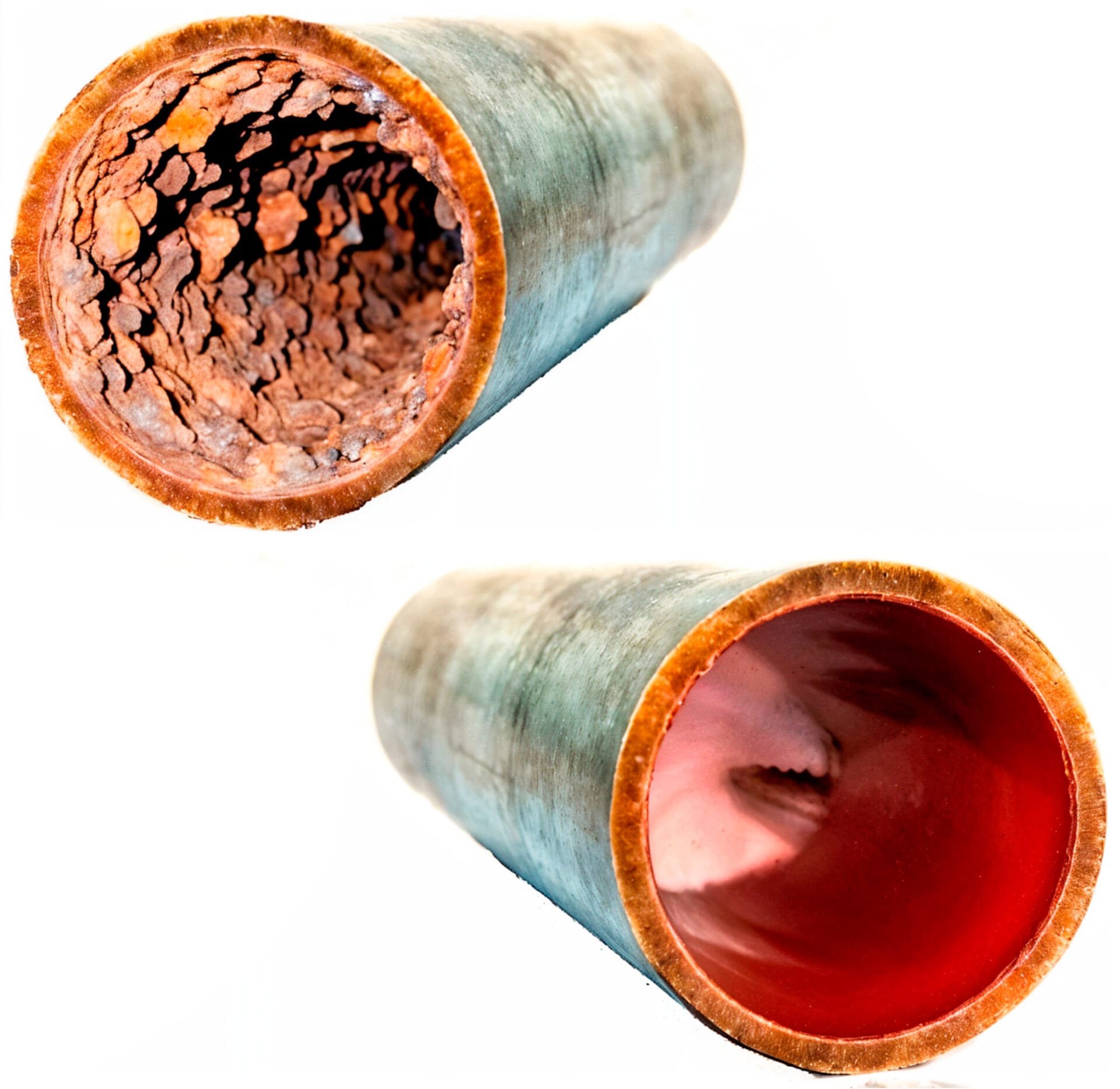

![Houston Plumbing Permit Requirements [2026] - TX Hydrojet plumbing blog](/images/uploads/2024/08/commercial-drain-cleaning-houston.jpg)