How to Find a Hidden Water Leak in Your Home
How to Find a Hidden Water Leak in Your Home and Save Thousands
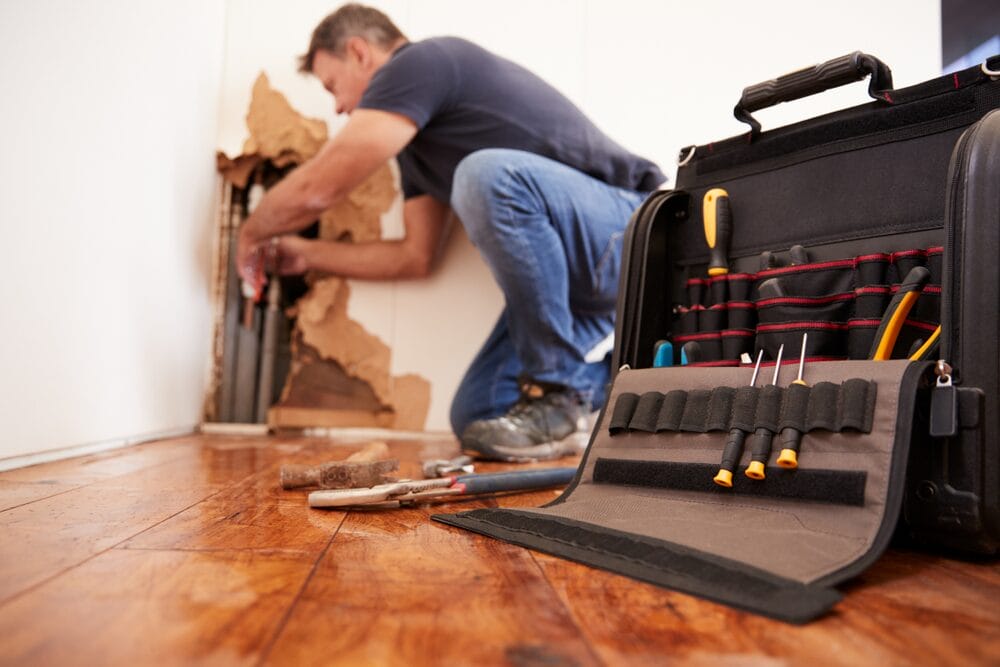
There's nothing quite as unsettling for a homeowner as the suspicion of a water leak. Even more concerning is a hidden water leak – one that operates silently, out of sight, yet tirelessly causes damage and inflates your utility bills. Left undetected, these elusive leaks can lead to costly structural damage, hazardous mold growth, and a significant dent in your wallet. For homeowners in Houston TX, understanding how to identify and address these issues promptly is crucial. At TX Hydrojet & Plumbing, we believe that early detection is your best defense against plumbing disasters.
Why Hidden Leaks Are So Dangerous (and Costly)
Unlike a burst pipe under your sink, a hidden leak can go unnoticed for weeks or even months. During this time, water silently seeps into walls, floors, foundations, and ceilings. The consequences are far-reaching:
- Structural Damage: Constant moisture can weaken wooden beams, drywall, and even your home's foundation, leading to expensive repairs.
- Mold and Mildew Growth: Damp, dark areas are perfect breeding grounds for mold, which can cause respiratory issues and allergies, making your home unhealthy.
- Skyrocketing Water Bills: A continuous drip can waste hundreds, even thousands, of gallons of water per month, drastically increasing your utility costs.
- Pest Infestations: Damp environments attract pests like cockroaches and termites, adding another layer of headache.
Common Signs of a Hidden Water Leak
While invisible, hidden leaks often leave tell-tale clues. Keeping an eye out for these indicators can help you catch a problem early:
- Unexplained Spike in Water Bill: This is often the first and most obvious sign. If your usage habits haven't changed but your bill has, investigate immediately.
- Sound of Running Water: Do you hear the faint sound of water running when all taps and appliances are off? This could indicate a leak within your walls or underground.
- Damp Spots or Stains: Look for discolored areas on walls, ceilings, or floors. Water stains, peeling paint, or bubbling wallpaper are clear indicators.
- Musty Odors: A persistent musty or earthy smell, particularly in areas like basements, bathrooms, or near walls, often points to hidden mold or mildew caused by a leak.
- Decreased Water Pressure: While not always a leak, a sudden drop in water pressure throughout your home can sometimes be attributed to a significant leak somewhere in your system.
- Warm Spots on Floors: If you have a slab foundation and notice an unusually warm spot on your floor, it could indicate a hot water line leak beneath the slab.
- Yard Changes: Unusually lush, green patches in your lawn or areas of constant saturation could mean an underground pipe leak.
Where Do Hidden Leaks Typically Occur?
Hidden leaks can manifest in various parts of your home's plumbing system. Knowing the common culprits can help narrow down your search:
- Behind Walls: Supply lines or drain pipes inside walls are common leak sources.
- Under Slab Foundations: Leaks in pipes running beneath your home's concrete slab are particularly challenging to detect and repair.
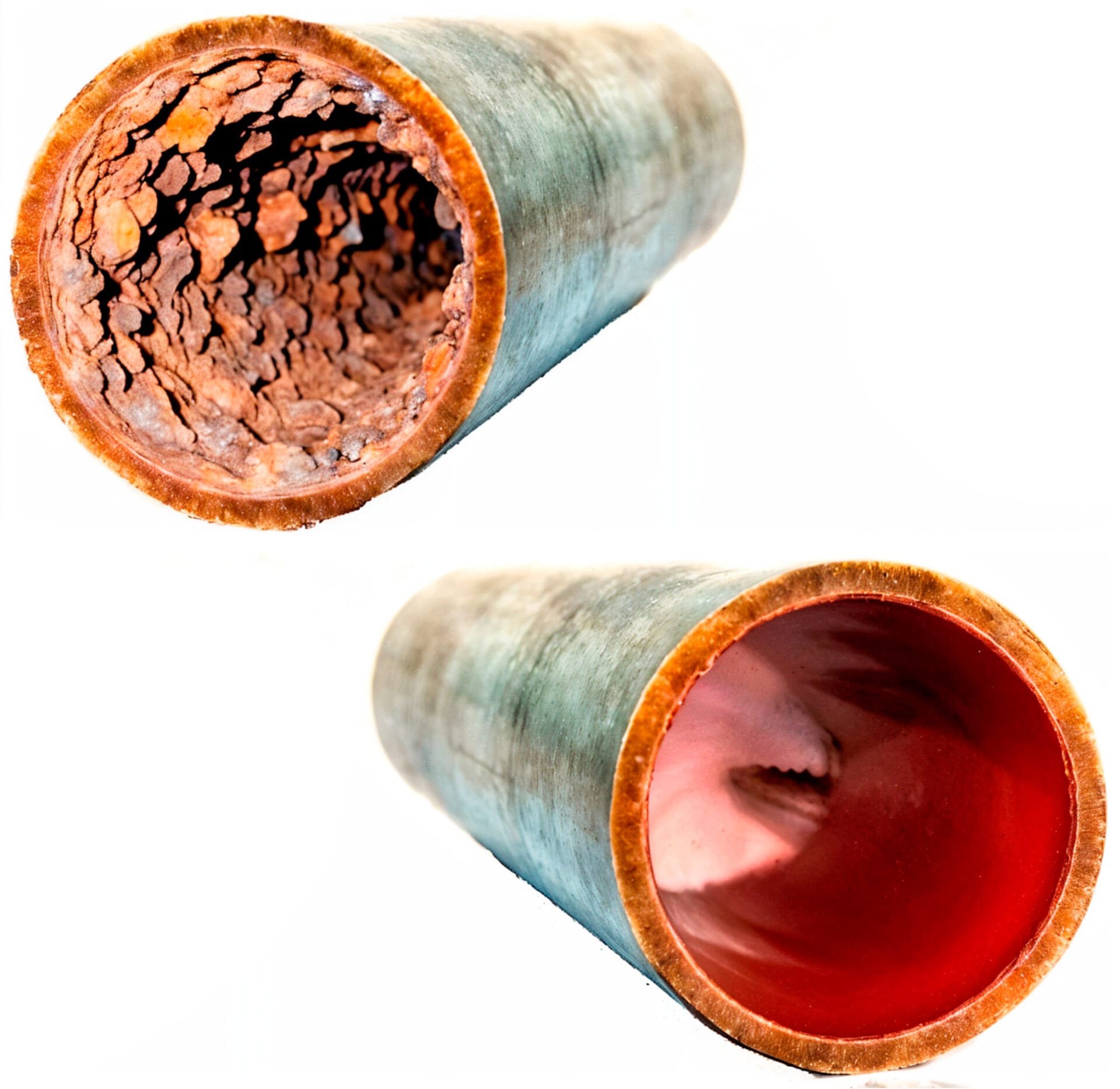
- Underground Outside: Main water lines leading from the meter to your house can leak due to shifting soil or age.
- Toilet Tanks and Bowls: A running toilet can waste a surprising amount of water. Check for silent leaks using dye tablets.
- Hot Water Heaters: Even small leaks from the tank or connections can cause significant damage over time.
- Appliance Supply Lines: Hoses connected to washing machines, dishwashers, and refrigerators can degrade and leak.
- Attic Pipes: Pipes in the attic, often for air conditioning condensate or vent stacks, can leak onto ceilings.
DIY Methods for Detecting a Hidden Water Leak
Before calling in the pros, there are a few simple tests you can perform to confirm if you have a leak and even narrow down its location:
- The Water Meter Test:
- Ensure all water-using appliances are off and no one is using water inside or outside your home.
- Locate your home's water meter (usually near the street).
- Note the current reading, or watch the small leak indicator dial (often a red triangle or silver wheel).
- If the dial is still moving, you likely have a leak.
- To differentiate between an indoor or outdoor leak, turn off your home's main water shut-off valve. If the meter stops moving, the leak is inside. If it continues, the leak is likely outside between the meter and the house.
- Toilet Leak Test:
- Add a few drops of food coloring or a dye tablet to your toilet tank.
- Do NOT flush. Wait 15-30 minutes.
- If color appears in the toilet bowl, your flapper valve is leaking and needs replacement.
- Visual Inspection and Sound Check:
- Carefully inspect all exposed pipes, under sinks, behind toilets, and around water heaters for any signs of moisture or corrosion.
- Listen attentively for dripping or running water sounds in quiet areas of your home, especially near walls or floors.
When to Call a Professional (and Why)
While DIY methods can confirm a leak, pinpointing its exact, hidden location and performing a lasting repair often requires specialized expertise and equipment. If you suspect a hidden water leak after your tests, or if you can't locate the source, it's time to call in the professionals. TX Hydrojet & Plumbing in Houston TX has the advanced tools and experience to accurately detect leaks without unnecessary guesswork or destructive methods. Attempting to fix a hidden leak yourself without proper knowledge can often lead to more extensive damage and higher repair costs down the line.
Professional Leak Detection Techniques
At TX Hydrojet & Plumbing, we utilize state-of-the-art technology to precisely locate even the most elusive hidden water leaks:
- Acoustic Listening Devices: These sensitive microphones can detect the subtle sound of water escaping from pipes behind walls or under slabs.
- Thermal Imaging Cameras: Infrared cameras can identify temperature differences caused by water leaks, revealing hidden moisture within structures.
- Pressure Testing: By isolating sections of your plumbing and testing them under pressure, we can determine if a pipe is leaking and roughly where.
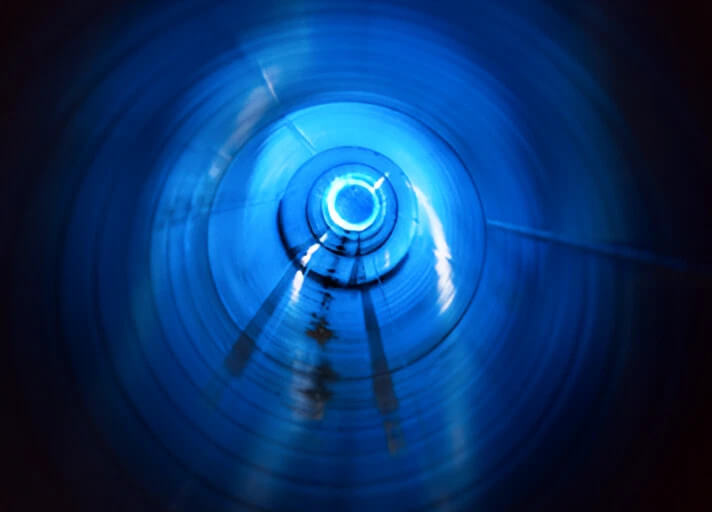
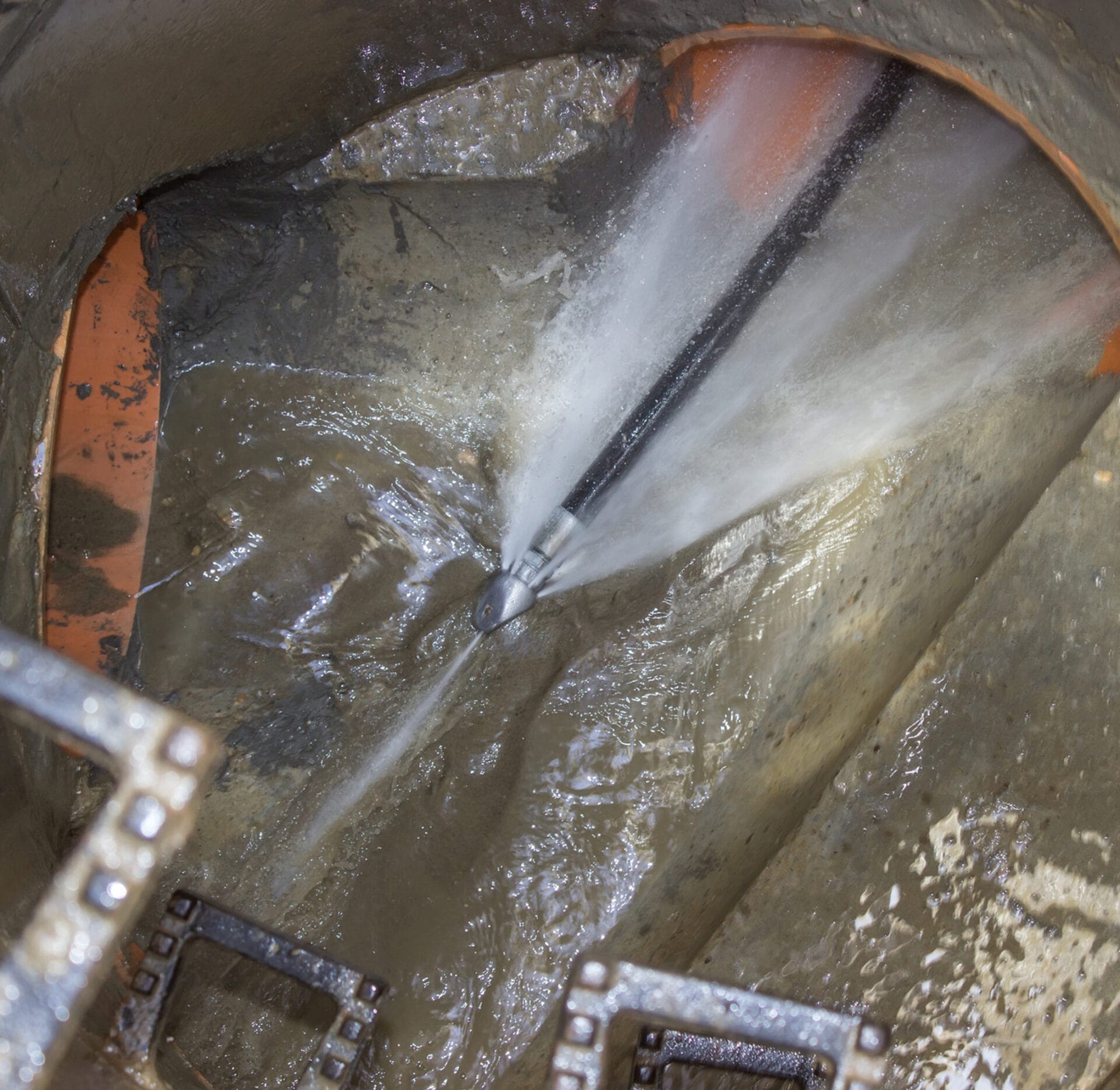
- Video Pipe Inspection: For drain lines and larger pipes, small cameras can be snaked through the system to visually identify leaks, cracks, or blockages. This can also reveal issues that might benefit from our hydro jetting services to clear stubborn clogs that can contribute to pressure buildup and potential leaks.
The Cost of Professional Leak Detection and Repair in Houston TX
Understanding the potential costs associated with professional leak detection is important for homeowners. While specific pricing can vary based on the complexity, location, and severity of the leak, investing in professional services is often significantly more cost-effective than delaying. Consider the following comparison:
Option 1: Ignore the Leak / DIY Guesswork
- Initial Cost: $0 (or cost of minimal DIY supplies)
- Long-Term Cost: Potentially thousands in water damage, mold remediation, structural repairs, high water bills, and potential health issues. This can easily escalate to $5,000 - $20,000+ depending on the damage.
Option 2: Professional Leak Detection & Repair
- Initial Cost: Typically a few hundred dollars for detection services, plus the cost of repair which varies by leak type (e.g., simple pipe patch vs. slab leak repair).
- Long-Term Savings: Prevents extensive water damage, mold growth, and high water bills. Protects your home's structural integrity and preserves its value. The cost of a professional service is an investment that averts far greater expenses.
The upfront cost of professional leak detection from a reputable company like TX Hydrojet & Plumbing is a small price to pay to avoid the catastrophic expenses of widespread water damage and mold in your Houston TX home.
Preventative Measures to Avoid Future Leaks
Once your current leak is resolved, take steps to minimize the risk of future issues:
- Regular Inspections: Periodically check exposed pipes, appliance hoses, and water-using fixtures for wear and tear.
- Maintain Water Pressure: Excessive water pressure can stress your pipes. Consider installing a pressure regulator if yours is too high.
- Winterize Pipes: In colder months, protect outdoor pipes and pipes in unheated areas from freezing.
- Address Small Drips Immediately: Even minor leaks can escalate. Don't procrastinate on repairs.
- Professional Plumbing Maintenance: Schedule routine plumbing inspections with TX Hydrojet & Plumbing to catch potential problems before they become emergencies.
Don't Let a Hidden Leak Wreak Havoc – Call TX Hydrojet & Plumbing Today!
A hidden water leak can be a homeowner's worst nightmare, but it doesn't have to be. By knowing the signs and understanding when to call for professional help, you can protect your home and your finances. If you suspect a hidden water leak in your Houston TX home, don't delay. The expert team at TX Hydrojet & Plumbing is ready to assist you with fast, accurate leak detection and reliable repair services. Call us today at (832) 219-0034 or contact us through our website to schedule an appointment. Let us bring you peace of mind and protect your most valuable asset.
TX Hydrojet & Plumbing Team
Our team of licensed, insured plumbers in Houston, TX brings decades of combined experience to every job. We specialize in hydro jetting, drain cleaning, sewer repair, and 24/7 emergency plumbing services across the Greater Houston area.
(832) 219-0034