7 Common Gas Line Plumbing Issues You Should Never Ignore
TX Hydrojet Team9 min read
Gas lines play a critical role in providing heat, hot water, and energy for many Texas homes and commercial properties. While natural gas is efficient and reliable, it must be handled with care. Even minor issues can create serious safety hazards if left unaddressed.
Recognizing the early warning signs of gas line problems and scheduling professional inspection promptly can prevent leaks, fires, or exposure to harmful gases. TX Hydrojet’s licensed Houston plumbers specialize in gas line diagnostics, repair, and replacement, ensuring systems remain safe and fully functional year-round.
Why Gas Line Maintenance Is Essential
Natural gas is delivered under pressure through a network of pipes that must remain sealed and structurally sound. Over time, environmental factors, material fatigue, and normal wear can compromise these lines. Routine inspection helps property owners:- Detect leaks before they become dangerous
- Prevent corrosion and damage to underground piping
- Maintain appliance efficiency and indoor comfort
- Comply with Houston’s local plumbing and safety codes
1. Gas Leaks
Gas leaks are among the most serious plumbing emergencies. They occur when pressurized natural gas escapes through damaged fittings, corroded joints, or cracked piping.Common Signs of a Gas Leak
- Distinct odor: Natural gas is odorless in its pure form, but utilities add a sulfur-like scent (similar to rotten eggs) for easy detection.
- Hissing or whistling sounds: Escaping gas often creates a faint, continuous noise near joints or connections.
- Dead vegetation: Plants or grass above an underground gas line may die due to exposure to leaking gas.
- Dizziness or nausea indoors: Inhaling natural gas can cause lightheadedness, fatigue, or headaches.
- Leave the property immediately.
- Avoid using electronics, lighters, or switches.
- Call your utility company and emergency services.
2. Corrosion and Aging Pipes
Gas lines (especially older ones made of steel or iron) can corrode over time due to soil moisture, chemicals, or natural oxidation. Corrosion weakens the pipe walls, increasing the likelihood of leaks or ruptures. In Houston’s humid climate, underground corrosion is a common cause of hidden damage. Routine inspections using pressure testing and line tracing help detect weak points before failure occurs. Modern gas lines are often constructed from polyethylene (PE) or coated steel, materials that resist corrosion more effectively. TX Hydrojet can assess existing lines and recommend replacements if corrosion becomes extensive.3. Improper Gas Line Installation
Incorrect installation is one of the leading causes of long-term gas system issues. Common mistakes include:- Undersized or overextended piping
- Incorrect fittings or joints
- Inadequate support or anchoring
- Poor alignment with appliance connectors
4. Blockages or Line Obstructions
Gas lines can become partially blocked by debris, dirt, or even rust flakes from inside aging pipes. These obstructions restrict gas flow and can cause:- Weak flame output in stoves or furnaces
- Uneven heating
- Pilot lights that frequently extinguish
5. Faulty or Damaged Appliance Connections
Each gas appliance connects to the main line through flexible connectors or shut-off valves. Over time, these fittings can loosen or deteriorate due to vibration, movement, or age. Loose or cracked connectors are a common source of small leaks near:- Water heaters
- Furnaces
- Gas ranges
- Clothes dryers
6. Pressure Regulation Problems
Natural gas systems rely on regulators to maintain consistent pressure between the supply and appliances. A malfunctioning regulator can cause fluctuating gas flow, resulting in:- Flickering flames or inconsistent heating
- Pilot light failure
- Loud noises during appliance operation
7. Damaged Underground Gas Lines
Underground gas lines can be compromised by shifting soil, root intrusion, or nearby construction work. Excavation without proper utility marking is one of the most frequent causes of line breaks in residential areas.Warning Signs of Underground Damage
- Unexplained hissing or blowing sounds near the yard or foundation
- Soil movement or bubbling in wet areas
- A strong odor of gas outdoors
- Unusual dead spots in grass or landscaping
The Dangers of Ignoring Gas Line Issues
Gas leaks and system malfunctions are safety hazards that can escalate quickly. Ignoring early warning signs can result in:- Fire or explosion risks: Accumulated gas can ignite from static electricity, pilot lights, or electrical sparks.
- Health problems: Exposure to gas or combustion byproducts like carbon monoxide can cause serious illness or death.
- Property damage: Leaks may corrode surrounding materials and increase the cost of structural repairs.
- Code violations: Unrepaired gas line issues may violate Houston safety standards, affecting insurance coverage or property sales.
How TX Hydrojet Handles Gas Line Inspections and Repairs
TX Hydrojet follows strict safety protocols and local Houston regulations when performing any gas line service.1. Leak Detection
Technicians use advanced tools such as electronic gas detectors and pressure-drop testing to identify leaks accurately. This approach pinpoints even small leaks without unnecessary digging or wall removal.2. Pressure Testing
Before restoring service, all repaired or new lines are pressure-tested to confirm there are no leaks or weak points.3. Line Repair and Replacement
When damage or corrosion is identified, TX Hydrojet replaces affected sections with approved materials like coated steel or flexible polyethylene piping, ensuring long-term reliability.4. Regulator and Valve Inspection
Regulators, shut-offs, and connectors are checked for function and safety. Malfunctioning components are replaced to maintain steady gas flow and prevent surges.5. Code Compliance and Documentation
Every repair and installation is completed to meet Houston and Texas gas safety codes. Property owners receive documentation verifying inspection and repair compliance.6. Emergency Response
TX Hydrojet provides 24/7 emergency response for active gas leaks, ensuring prompt isolation of the affected area and coordination with utility providers for safe resolution.Preventive Maintenance Tips for Property Owners
While only licensed plumbers should perform gas line work, homeowners can take preventive steps to maintain safety:- Schedule annual gas system inspections, especially for older homes.
- Keep the area around gas appliances clear and well-ventilated.
- Replace flexible connectors every 10 years or sooner if wear is visible.
- Check for the odor of gas regularly, especially after storms or construction nearby.
- Never attempt DIY gas line repairs or disconnections.
Houston’s Gas Line Safety Considerations
Houston’s shifting clay soils and seasonal humidity can stress underground piping, while fluctuating temperatures cause expansion and contraction that affects seals and joints. Additionally, expanding neighborhoods often involve excavation and new utility connections—activities that increase the risk of accidental damage to buried gas lines. TX Hydrojet’s team is trained in local safety regulations and uses industry-approved materials to help Texas property owners maintain secure and code-compliant gas systems.How Often Should Gas Lines Be Inspected?
Most residential and commercial systems benefit from inspection every one to two years. More frequent checks are recommended when:- Appliances are more than a decade old
- The property has undergone recent renovation or landscaping work
- You notice unexplained odors or performance changes
- The building experiences foundation movement or settling
Final Thoughts
Gas line issues demand immediate attention. Whether it’s a faint odor, unusual noise, or inconsistent appliance performance, any sign of gas system trouble should be treated seriously. By scheduling regular inspections and addressing concerns promptly, homeowners and businesses can prevent hazards, maintain energy efficiency, and ensure full compliance with Houston safety standards. TX Hydrojet’s licensed plumbers provide comprehensive gas line inspection, leak detection, and repair services designed to keep Texas properties safe, efficient, and reliable.Gas Line FAQs
How can I tell if I have a gas leak?
A sulfur or rotten-egg odor, hissing sounds, or dead vegetation near lines are strong indicators of a leak.Can gas lines corrode underground?
Yes. Moist soil and age can cause corrosion, particularly in uncoated steel lines.Should gas lines be replaced after a certain number of years?
If the system is more than 20–25 years old or shows corrosion, inspection and partial replacement are recommended.Is it safe to install gas appliances myself?
No. Only licensed professionals should connect or modify gas lines to ensure proper sealing, pressure control, and code compliance.Does TX Hydrojet provide emergency gas line service?
Yes. TX Hydrojet offers 24-hour emergency response throughout Houston to handle leaks, pressure failures, and repairs safely.TX Hydrojet & Plumbing Team
Our team of licensed, insured plumbers in Houston, TX brings decades of combined experience to every job. We specialize in hydro jetting, drain cleaning, sewer repair, and 24/7 emergency plumbing services across the Greater Houston area.
(832) 219-0034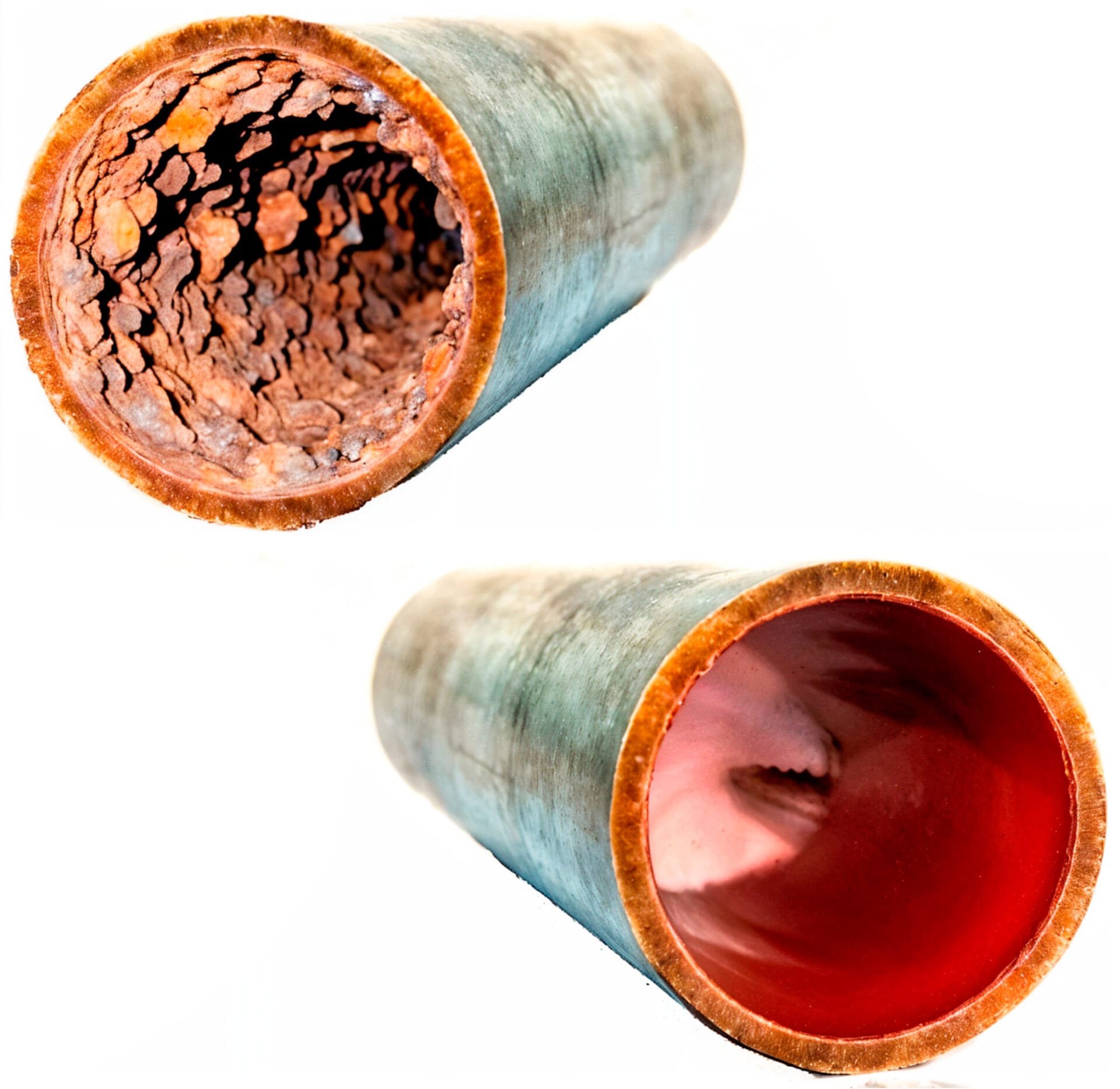
![Houston Plumbing Permit Requirements [2026] - TX Hydrojet plumbing blog](/images/uploads/2024/08/commercial-drain-cleaning-houston.jpg)